
RetroArch download

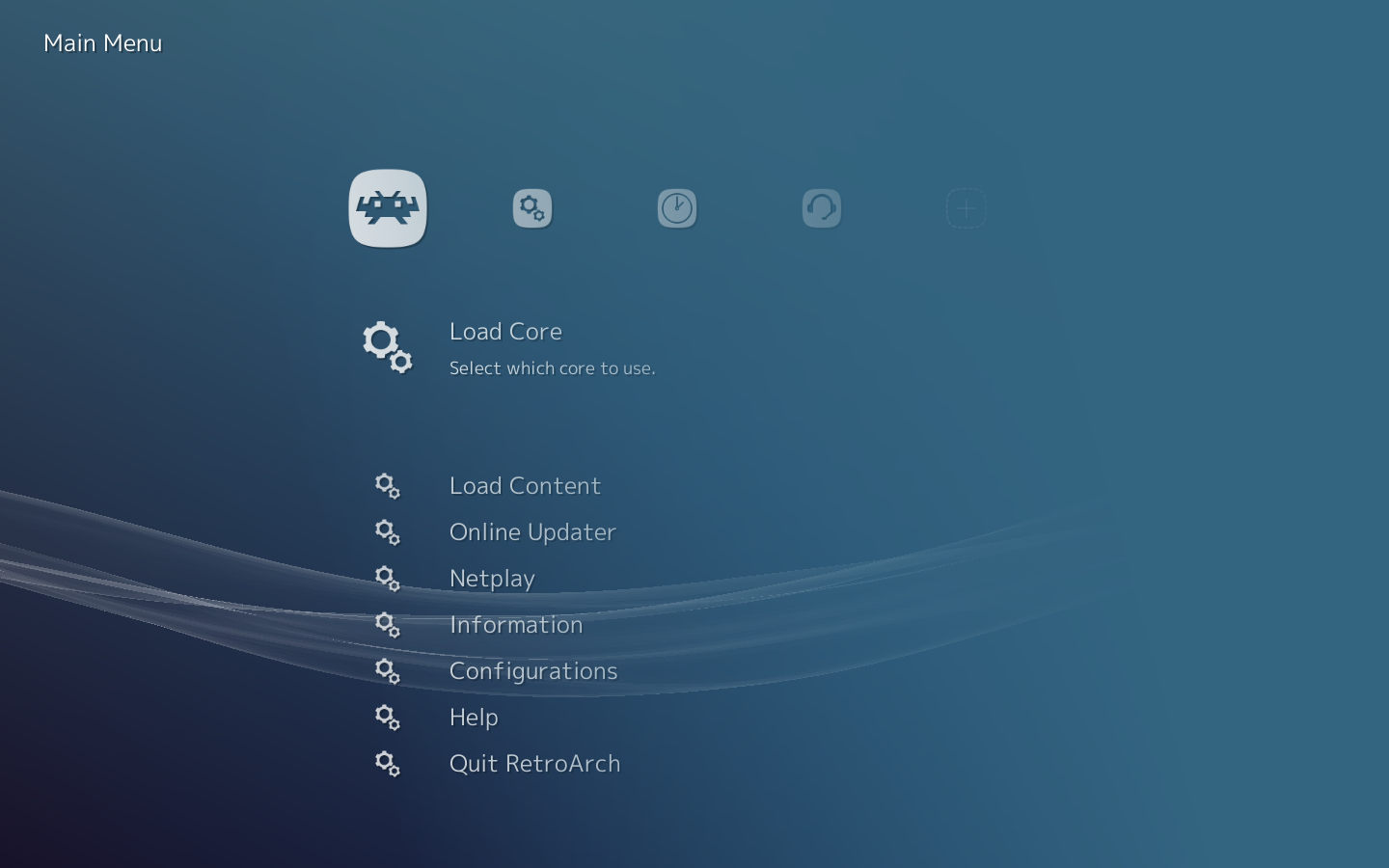
RetroArch download starts here. RetroArch is a frontend for emulators, game engines and media players.

Among other things, it enables you to run classic games on a wide range of computers and consoles through its graphical interface. Settings are also unified so configuration is done once and for all.

In addition to this, you are able to run original game discs (CDs) from RetroArch.

RetroArch / Libretro is an open-source project and has been around since 2010. It has since served as the backend technology to tons of unofficial platforms and programs around the world.

RetroArch gift box illustration

Features

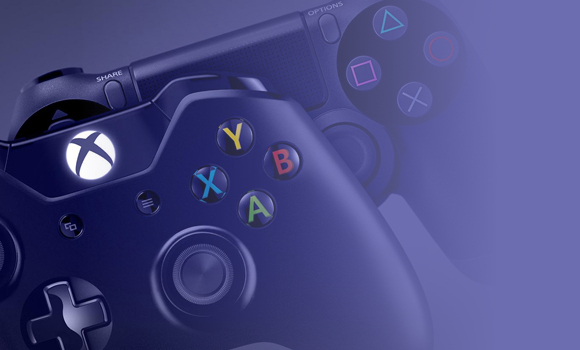
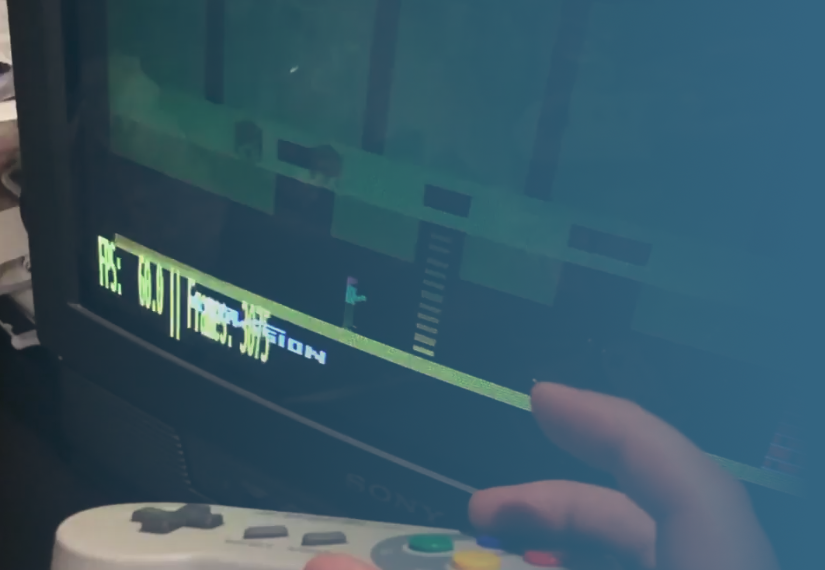
CRT and gamepad showing RetroArch frame pacing

Next-frame response time

RetroArch is capable of next-frame responsive time.

This means that there should be no perceivable difference in terms of input latency from real hardware, FPGA/clone or original hardware.

On top of all that, there are various settings you can configure to optimize the results even more.

Learn more

Available on

RetroArch is available for download on a wide variety of app store platforms.

NOTE: Functionality can sometimes be different from that of the version available for download on our website. We sometimes have to conform to certain restrictions and standards that the app store platform provider imposes on us.

Download on the App Store badge Available at Amazon Appstore badge Download on Steam badge Available on itch.io badge Explore it on AppGallery badge Available on Galaxy Store badge Get it on Google Play badge

Cores

RetroArch/Libretro has over 200 cores, and the list keeps expanding over time. These include game engines, games, multimedia programs and emulators.

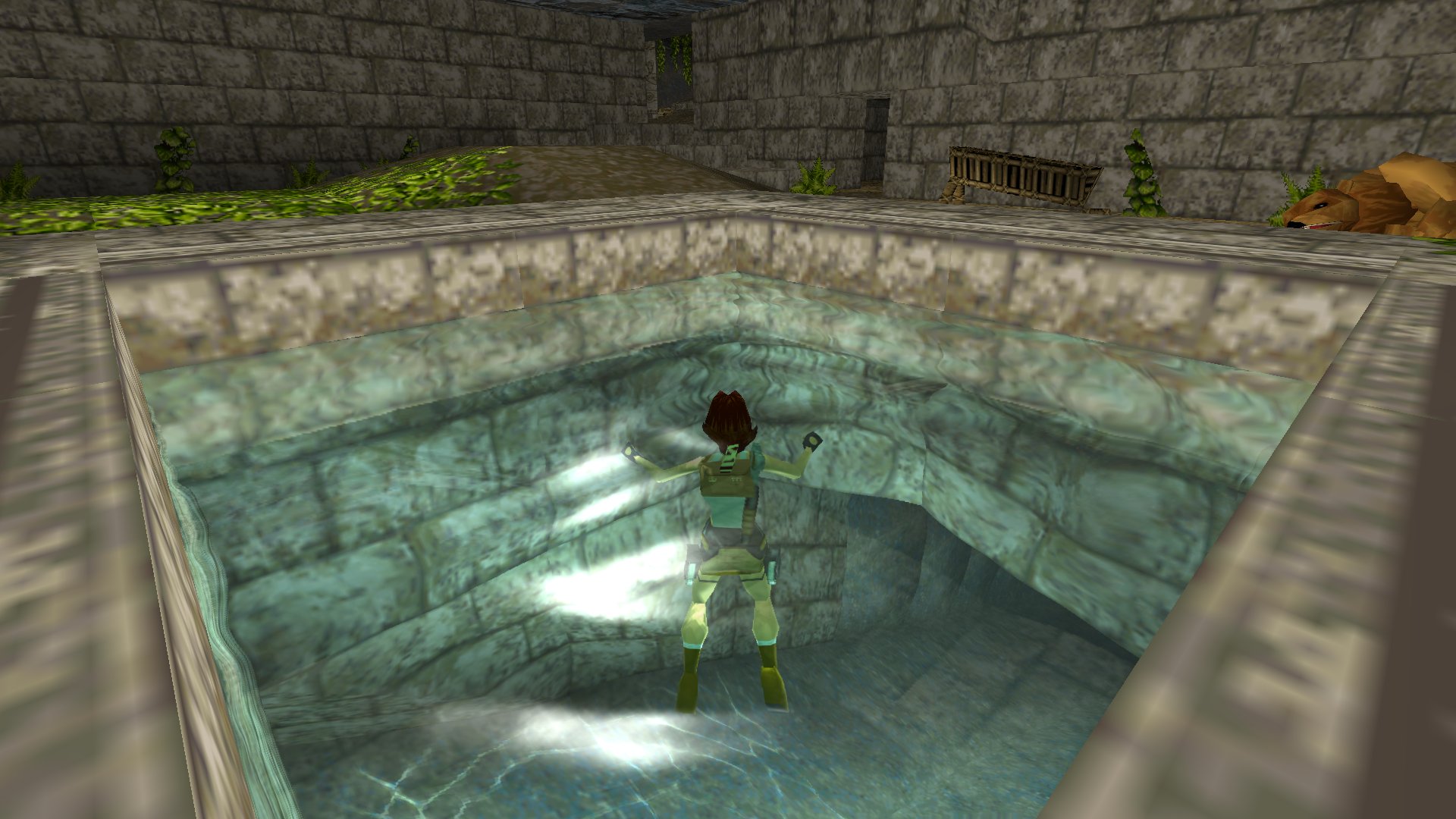
OpenLara core running a Tomb Raider engine recreation

OpenLara

OpenLara is an early Tomb Raider game engine recreation.

Core available now for Windows/Linux.

For more information, read our article on this release here.

It uses the original data files in order to work. What is nice about this one is that it has some very fancy graphics effects added on top of the old game engine without it resulting in any stylistic clashes.

RetroArch Teespring banner

Innovation

RetroArch has been first to market with many innovative features, some of which have became industry standard. Because of its dynamic nature as a rapidly evolving open source project, it continues adding new features on an annual basis.

  • Dynamically loadable programs (cores): Libretro as a backend technology allows RetroArch (or any frontend implementing the Libretro API) to run whatever multimedia program it wants as long as the lifecycle of the Libretro program is properly implemented. This main innovative feature has led to various other programs also adopting the Libretro API, making its emulator and game cores widely playable across various applications outside of just RetroArch.
  • Dynamic audio rate control: An attempt at solving one of the age-old problems of audio and video sync while not having either crackling audio or massive frametime deviations. The method works by dynamically adjusting audio resampling ratios in such ways that ideally, the audio buffer is never underrun nor overrun, thus avoiding blocking on audio.
  • Runtime programmable pixel shaders on the GPU: Introduced in 2011, first supporting the Cg spec (now deprecated) and GLSL. Later on, a piece of middleware called SPIRV-Cross was developed so that a new shader spec (Slang) could allow us to run the same shaders regardless of the graphics API.
  • Runahead: Introduced in 2018, runahead is a sophisticated way of running the game in a second session. The end result of this when it works is a vast reduction in input and video latency without any perceivable ghosting issues.
  • AI text translation: This feature allows users to capture the current state of the game and feed it to a customizable endpoint for additional processing. With the help of OCR (optical character recognition) and other techniques, the AI service can provide a live translation of a game, or text-to-speech capabilities for the visually impaired among other things, either on demand or automatically.

News

RetroArch 1.21.0 release

RetroArch 1.21.0 has been released. PipeWire camera, Vulkan adaptive vsync and Ozone fixes landed in that build. Current verified stable is 1.22.2.

Continue reading

ROM Cleaner

A Libretro-side tool for cleaning ROM sets, written about on the official news list alongside the 1.21.0 cycle.

Continue reading

Bliss-Box 4-Play added

RetroArch added support for the Bliss-Box 4-Play adapter so original controllers can be used through that hardware.

Continue reading

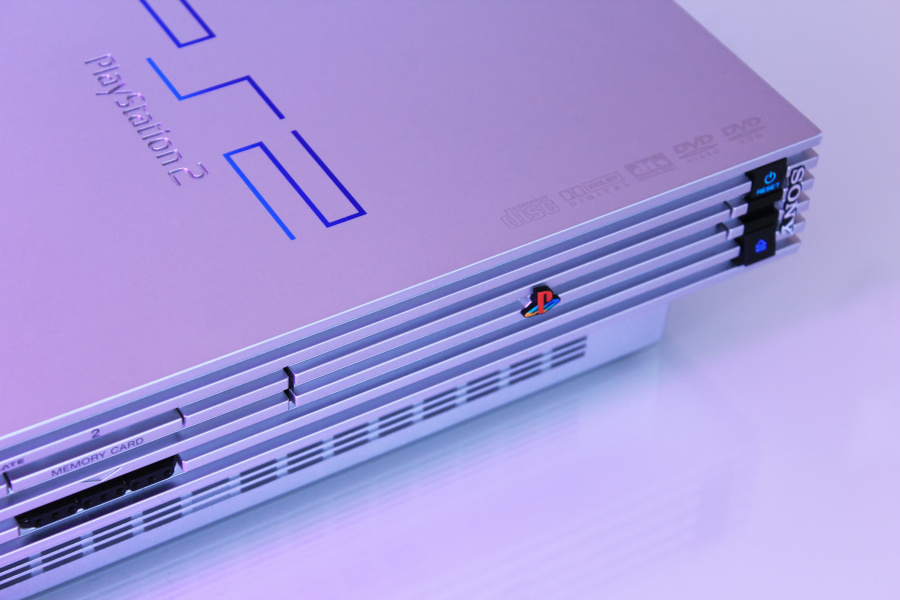
LRPS2, the new PlayStation 2 core

LRPS2 ships a Vulkan LLE renderer called ParaLLEl GS. Read the core notes on the features page.

Continue reading

RetroArch 1.20.0 release

1.20.0 is the prior official news stable, published 5 January 2025, before 1.21.0.

Continue reading

CRT beam racing shader

RetroArch added support for a CRT beam-racing simulator shader, the same family of shaders used for rolling-scan display work.

Continue reading

PlayStation 2 and the CRT TV

The PlayStation 2 was designed around analog video, scanlines and timing, not a fixed pixel grid.

Continue reading

RetroArch 1.19.1 release

1.19.1 remains on the official news list as the point release before 1.20.0.

Continue reading

Latest video

Download RetroArch